Digital navigation in shopping malls is no longer just an interactive map next to an escalator. Mall wayfinding software has become a strategic tool that significantly influences customer experience, commercial performance, and the digital maturity of a shopping center.
At a time when visitors expect instant access to information and seamless orientation, a high-quality shopping mall navigation system becomes a competitive advantage. This detailed guide will help you understand what a modern solution should include and how to select and integrate it effectively.

What Is Mall Wayfinding Software and Why It Matters
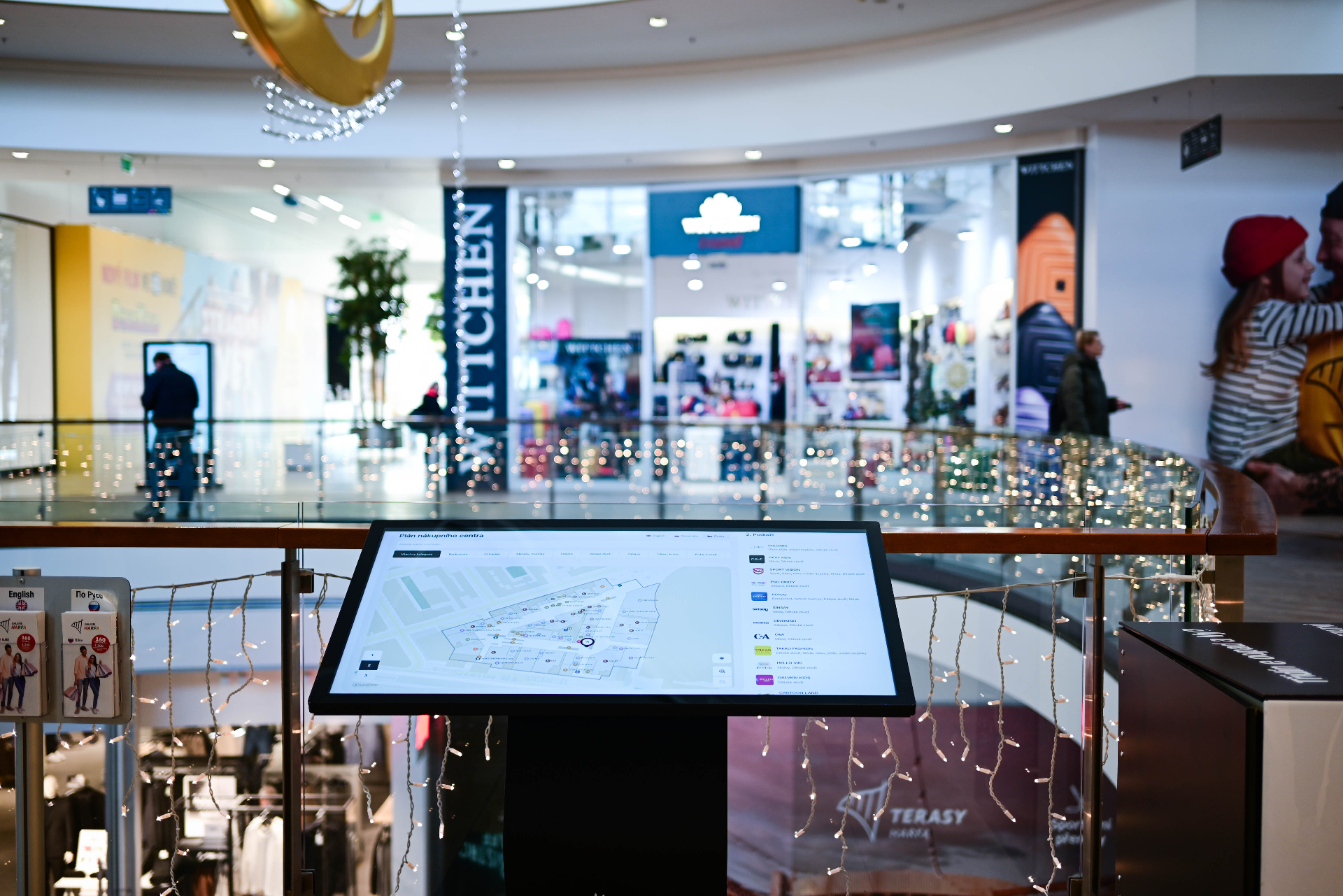
Mall wayfinding software is a digital navigation system designed for complex retail environments. It is not just about displaying a building map, but about providing an interactive system that actively guides visitors to their destination, helps them plan routes, and delivers contextual information.
Modern shopping centers can include dozens or even hundreds of retail units, multiple floors, various entrances, parking structures, service zones, and dining areas. Without digital navigation, orientation can become complicated, leading to frustration and shorter visits.
A properly implemented solution:
- increases visitor comfort
- encourages longer dwell time in the mall
- reduces the workload on information desks
- creates a new digital marketing channel
- generates valuable data about customer movement and preferences
Detailed Mall Wayfinding Software Selection Checklist
Below are the key criteria a modern navigation system should meet.
1. User Interface & UX
Intuitive Maps and Fast Search
The user interface is absolutely critical. If a visitor cannot understand how the system works within a few seconds, they simply will not use it. Maps must be visually clean, clear, and logically structured.
Search functionality should allow users to look up stores by name, brand, or category (e.g., fashion, electronics, dining), as well as by service type such as ATMs, restrooms, or children's play areas. Results must appear instantly and be clearly visualized.
Responsive Experience for Kiosk, Web, and Mobile
Today, navigation systems cannot be limited to physical kiosks. They must function equally well on mobile phones, tablets, and web interfaces. Responsive design ensures a consistent customer experience across devices.
Multilingual Support
In tourist locations, multilingual capability is essential. Modern mall wayfinding software should allow easy language switching without complications, making the system accessible to a broad range of visitors.
2. Advanced Navigation Features
Multi-Floor Navigation Without Confusion
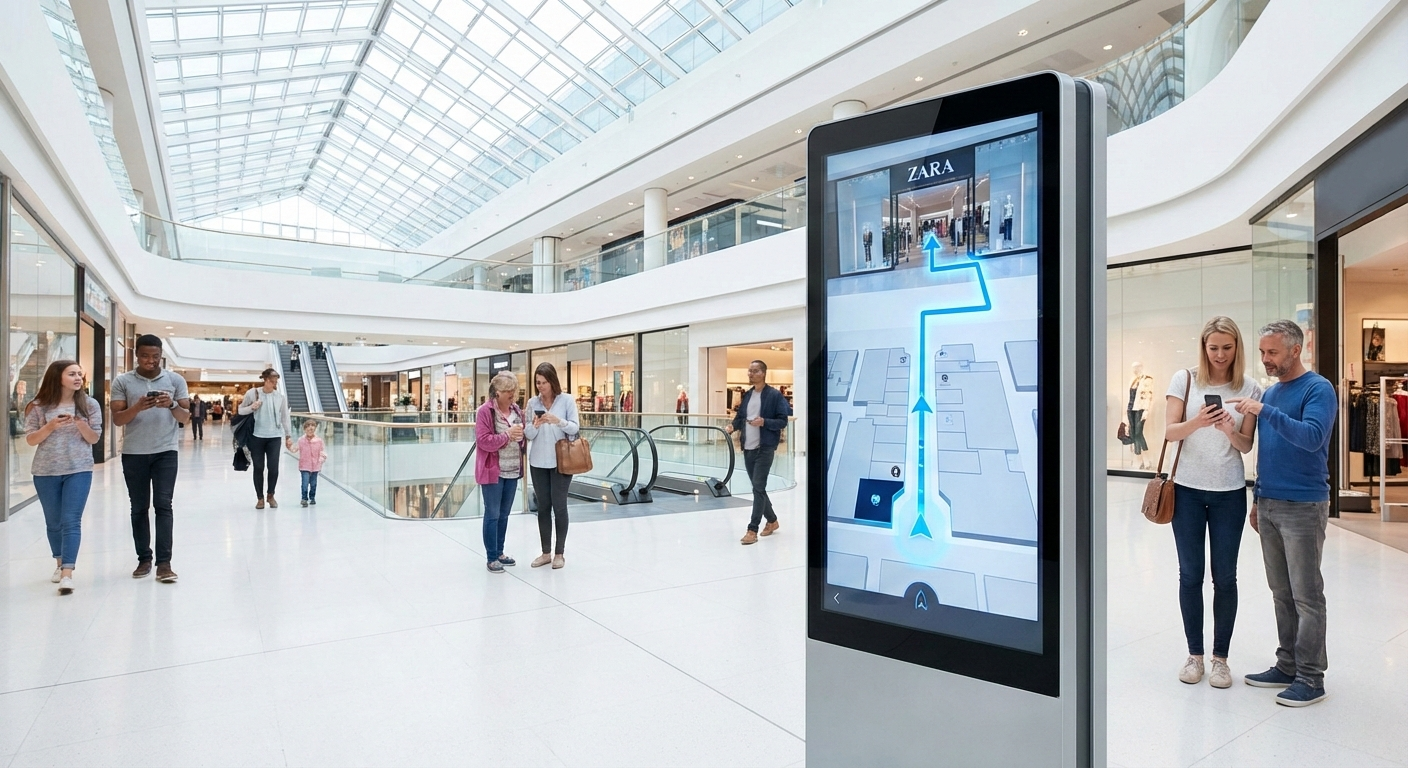
Shopping centers are architecturally complex. The system must automatically handle multiple floors and clearly display transitions between them. Visitors should not need to figure out where elevators or escalators are—the navigation should naturally guide them there.
Turn-by-Turn Navigation
Advanced solutions offer step-by-step navigation similar to automotive navigation apps. This greatly reduces uncertainty and increases comfort, especially in large malls or during a visitor's first visit.
Accessible Routes
The option to select an accessible route is important for people with reduced mobility, parents with strollers, and seniors. This is not just a technical feature—it is also part of a responsible and inclusive approach to visitor experience.
3. Mobile Integration and Frictionless Access
Web-Based Navigation Without Installation
One key decision is whether the system requires a dedicated mobile app. Solutions accessible via QR code without requiring downloads significantly increase adoption.
Integration with Loyalty Applications
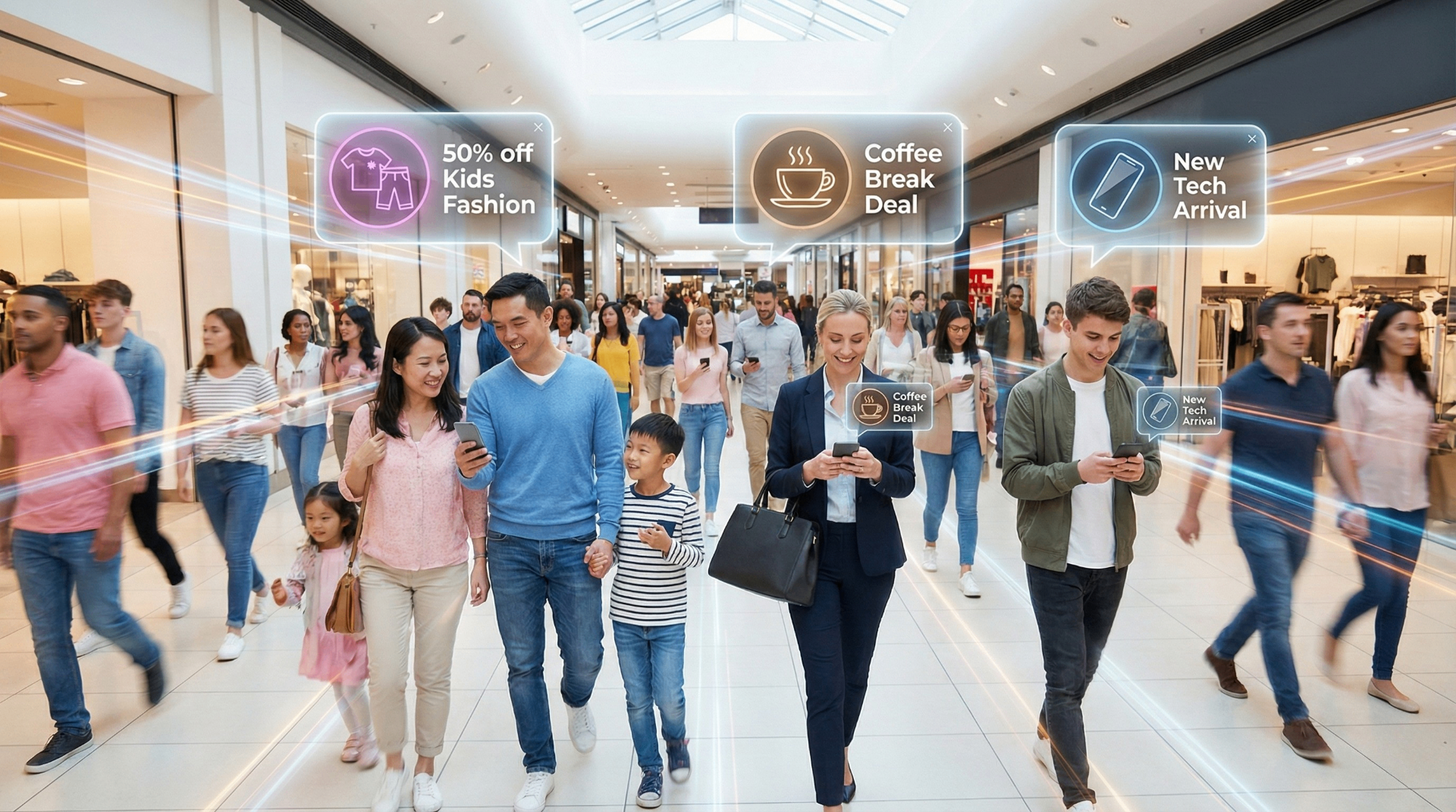
If navigation is integrated into a digital platform, such as a loyalty ecosystem, it can offer personalized features—highlighting favorite stores, notifying users about discounts, or guiding them to current events.
Indoor Positioning Technology
More advanced systems can use indoor positioning to improve location accuracy inside buildings. However, even without this technology, navigation must remain clear and visually intuitive.
4. Integration with Other Systems
Digital Signage and Kiosks
Wayfinding should integrate with screens and kiosks across the mall. Content must remain synchronized and updated in real time.
CRM and Loyalty Systems
Integration with CRM systems allows better understanding of customer behavior and enables personalized content. Navigation then becomes part of a broader digital strategy.
Parking Systems and Events
Modern solutions can guide visitors from their parking space directly to a specific store or event. Such integration significantly improves convenience and enhances the overall customer experience.
5. Analytics and Reporting
Heatmaps and Visitor Movement
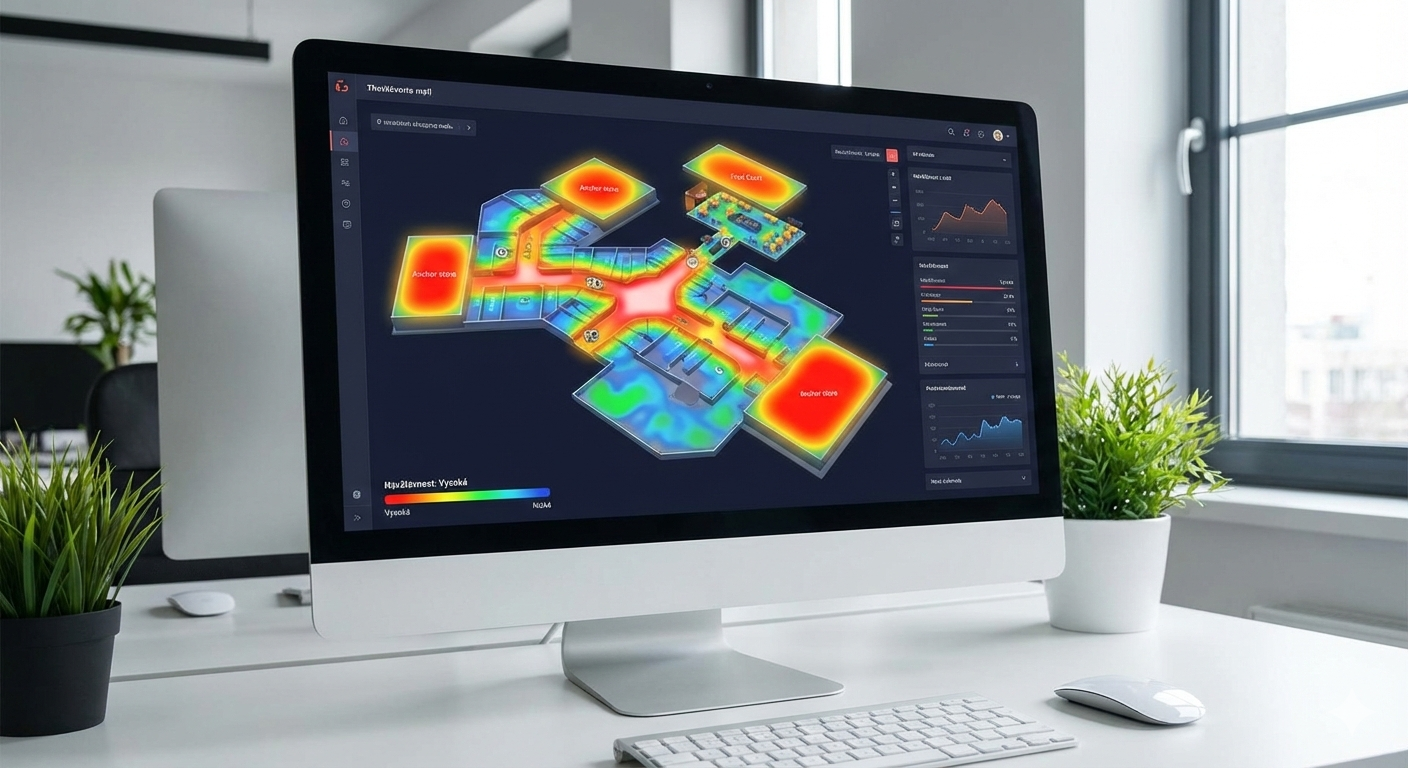
Digital navigation generates data showing which areas of the mall receive the most traffic. Heatmaps help identify both strong and underperforming zones within the center.
Search Statistics
Information about the most frequently searched stores can help optimize tenant mix and support marketing campaign planning.
Data-Driven Strategic Decisions
A wayfinding system should provide clear reports that management can use when making strategic development decisions. In this way, data becomes a competitive advantage.
6. Branding and Marketing Potential
White-Label Solution
Navigation should fully reflect the shopping center's visual identity. A white-label approach ensures brand consistency without visible third-party branding.
Promotional Features and Campaigns
Stores can be highlighted as part of seasonal campaigns or marketing promotions. This transforms navigation into an active marketing tool.
Consistent Digital Experience
When navigation is part of a broader digital platform, it can create a unified customer journey across channels—from mobile devices to kiosks to digital communication.
7. Security, Stability, and Scalability
Cloud-Based SaaS Solution
Cloud infrastructure allows fast updates, easy scaling, and minimal technical burden on the internal IT team.
Data Protection and Security
If the system connects to user accounts or analytics platforms, it must comply with security standards and data protection regulations.
Future-Ready Architecture
Retail environments constantly evolve. The system should allow easy addition of new zones, units, or features without requiring a complete rebuild.
Conclusion: Wayfinding as Part of Retail Digital Transformation
Mall wayfinding software is not just a technological add-on. It is a tool that directly impacts customer experience, commercial results, and the brand image of a shopping center.
A well-chosen solution:
- improves visitor comfort
- increases dwell time and spending
- generates valuable data for strategic management
- opens new marketing opportunities
- supports the digital transformation of retail
If you want navigation to be more than an isolated feature and instead become part of a comprehensive digital ecosystem, it is worth considering a platform-based approach.
Digital navigation today is no longer a question of "whether", but "how well." And the quality of the solution you choose will determine whether it becomes just a map—or a true business tool.