Mall advertising sits at the intersection of physical footfall, captive attention, and high-intent shoppers. Done well, it lifts tenant sales, monetizes mall real estate, and turns the property itself into a media network. Done poorly, it becomes wallpaper. This guide walks through every format, what it costs, how to measure it, and the mistakes most operators repeat.
Why mall advertising still works
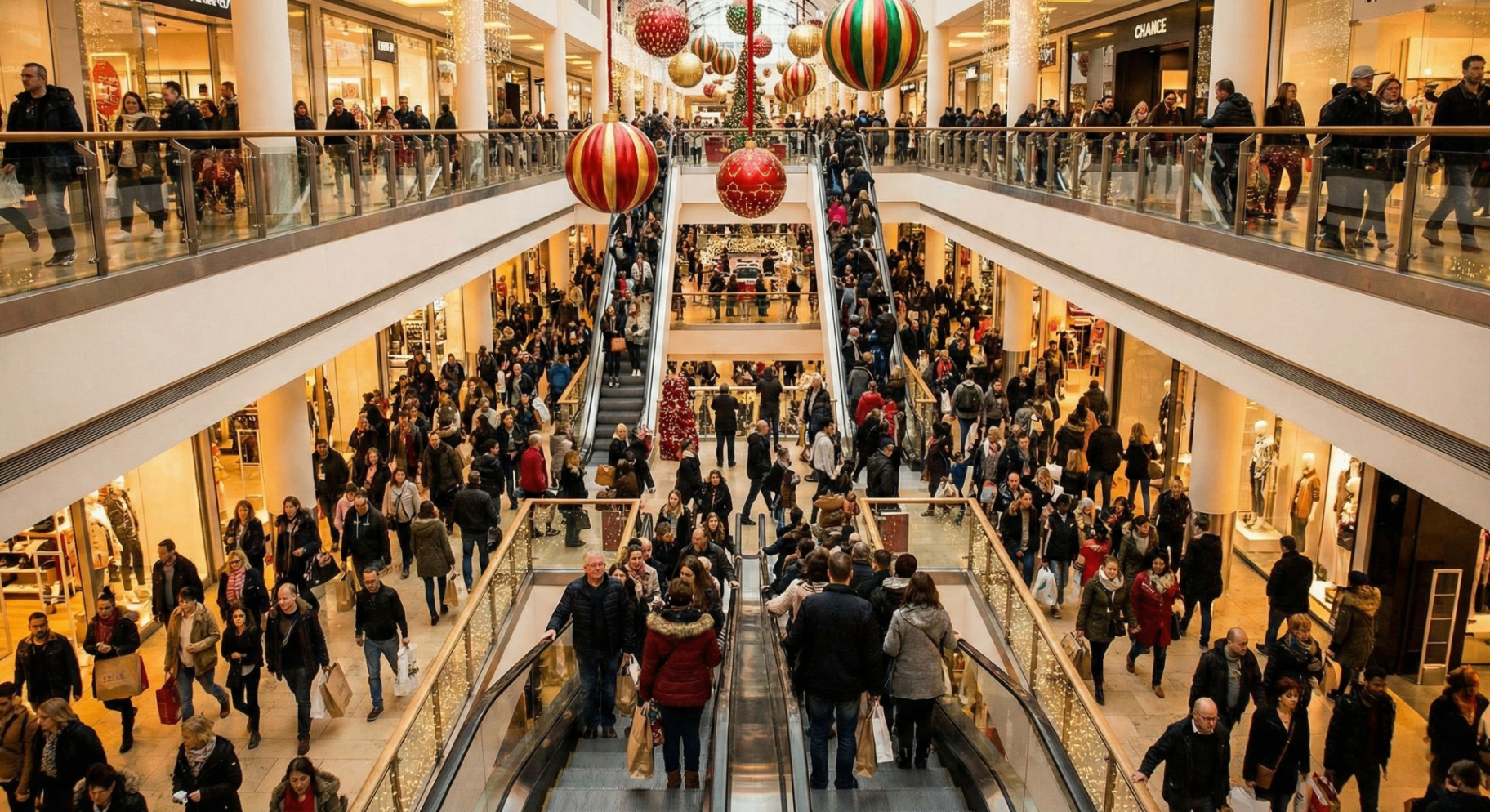
Unlike most digital ad inventory, mall audiences are already in shopping mode. They have wallets out, time blocked, and decisions to make. Average dwell time in a mid-sized mall is 60–90 minutes, with multiple ad impressions per visit across atriums, corridors, food courts, parking, and washrooms. A well-placed campaign reaches the shopper at the exact moment of consideration — something programmatic display has never been able to replicate.
Mall advertising formats — what's actually available
1. Digital screens (DOOH)
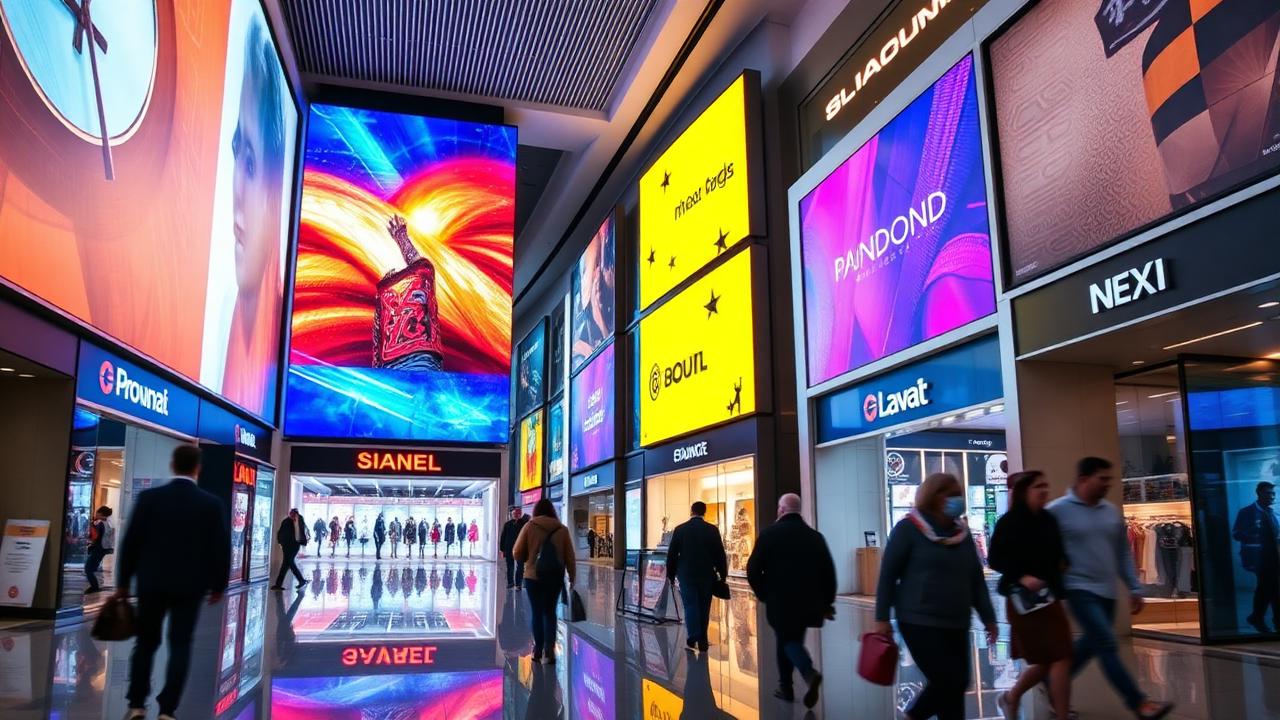
Large-format LED walls, atrium hanging screens, escalator-side displays, and lift-lobby panels. The dominant format because content can be scheduled by daypart, rotated between tenants, and updated remotely. Pair it with a campaign management module so marketing can push creatives without calling a vendor.
2. Interactive kiosks and wayfinding screens
Touchscreens that combine navigation with sponsored placements: "Sponsored by", featured store of the week, promo overlays after a search. Read more in our wayfinding guide.
3. Pop-up stores and brand activations
Short-term leases in atriums or vacant units. Excellent for product launches, DTC brands testing physical retail, and seasonal campaigns. Typically 1–4 weeks, with sampling, demos, or interactive experiences.
4. In-mall events and experiential
Concerts, meet-and-greets, kids' workshops, sport viewings, fashion shows. They drive footfall spikes that can be sold as sponsorship packages — naming rights, branded zones, on-stage mentions.
5. Static OOH and architectural media
Wraps on escalators, floor decals, column wraps, ceiling banners, parking ticket backs. Cheap to produce, hard to ignore, but harder to measure than digital.
6. Mobile app and loyalty placements
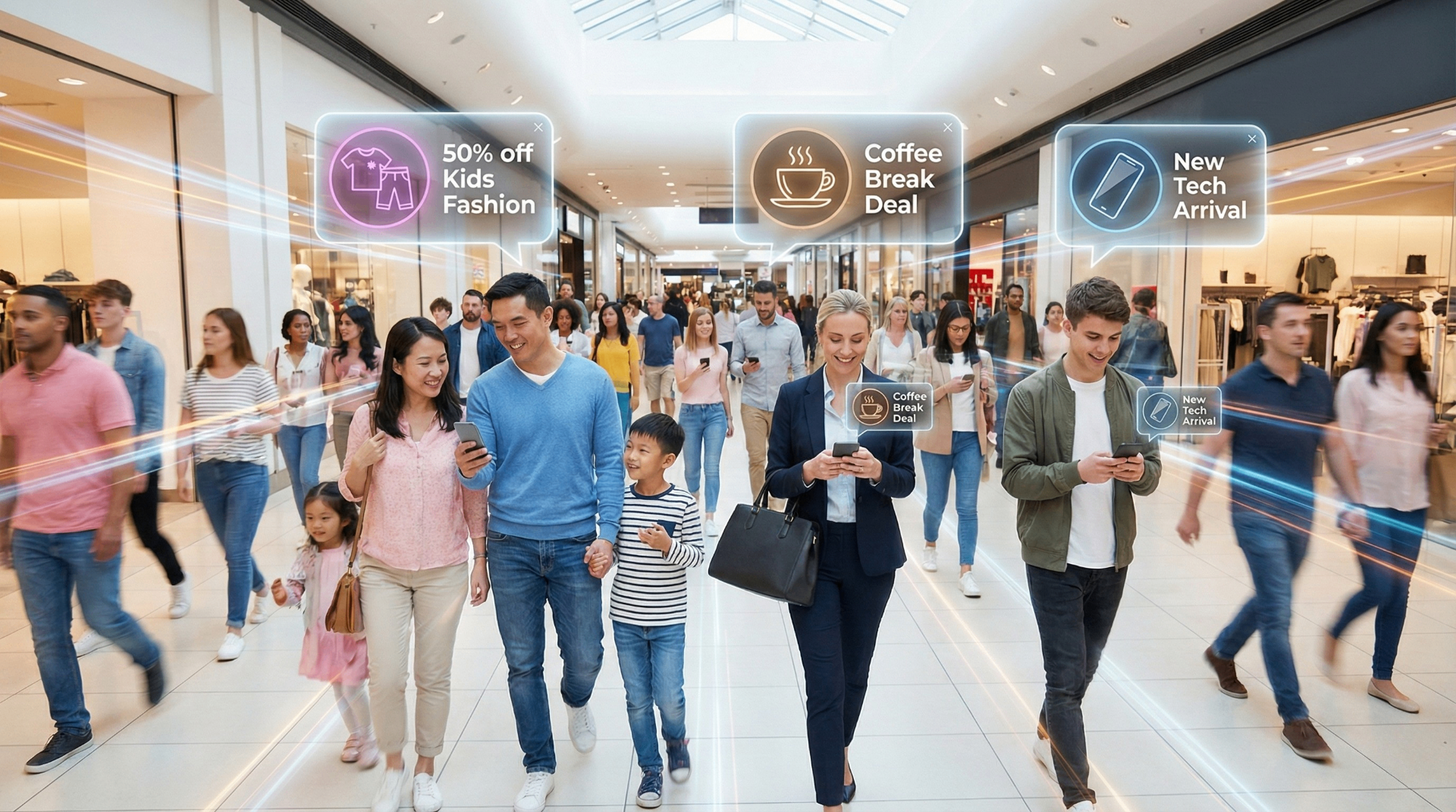
Push notifications, in-app banners, geofenced offers triggered when a shopper enters the mall, and personalized coupons. See the loyalty program platform for how this is typically built.
7. Local tenant cross-promotions
"Spend €50 at Tenant A, get 10% off at Tenant B." Usually run through the mall loyalty program. Drives basket size and cross-shopping between categories that normally don't overlap.
What mall advertising costs
Pricing varies enormously by city, mall tier, and format. Use these as European mid-tier benchmarks, not quotes:
- Digital screen loop (10s spot, shared loop): €800–€3,500 per week per screen network.
- Full-takeover atrium LED wall: €5,000–€20,000 per week.
- Pop-up store (atrium, 20–40m²): €2,000–€15,000 per week incl. utilities.
- Sponsored event / activation: €10,000–€100,000+ depending on production.
- Static wraps (escalator / column): €1,500–€6,000 per month per unit.
- Loyalty app push to opted-in users: €0.05–€0.20 per delivered notification.
How to measure mall advertising
The historical excuse for weak measurement is gone. Modern malls instrument campaigns with:
- Footfall lift at the advertised tenant, compared to a control period.
- Coupon redemptions and unique QR scans per creative.
- Loyalty receipts matched to campaign exposure windows.
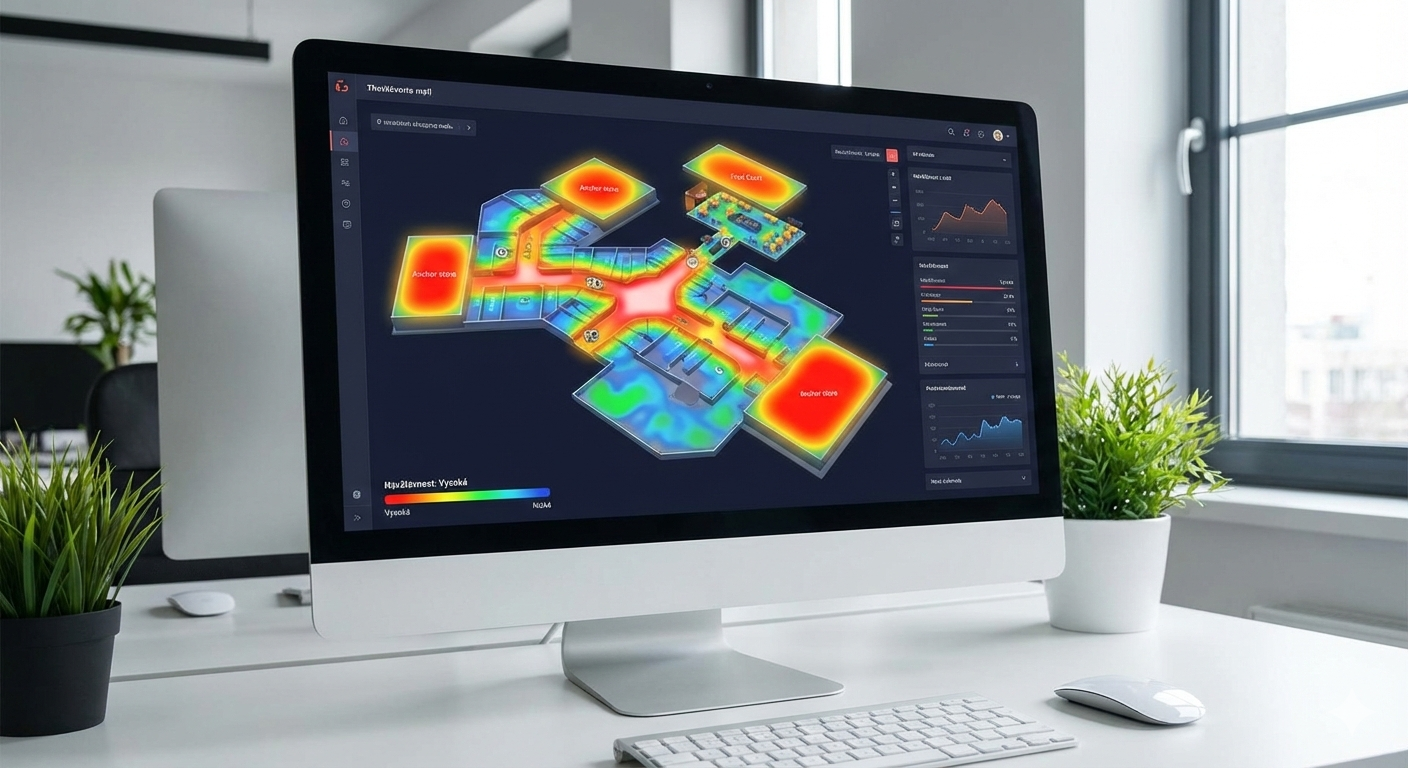
- Dwell-time changes in the activation zone from customer analytics.
- App engagement: opens, offer views, saves, redemptions.
Budgeting framework
A defensible mall-media budget is split across three buckets: always-on (60%) for loop content, wayfinding sponsorships and loyalty placements;seasonal (30%) for Christmas, back-to-school, Ramadan, Black Friday and local holidays; and experimental (10%) for pop-ups, activations, and new formats. Tie the always-on number to a target media revenue per visitor — €0.05–€0.15 is realistic for a digitally-equipped property.
Real examples that work
- Westfield London — Samsung KX: long-running experiential pop-up that doubled as a brand education space, no transactional KPI.
- Dubai Mall — fragrance launches: atrium takeovers with synchronized LED walls, sampling teams, and app push offers within 200m geofence.
- Mall of Berlin — local F&B cross-promo: "10% off at any restaurant after €30 spent in fashion" — drove a measurable 14% lift in food-court receipts.
Common mistakes
- Treating screens as wallpaper. No scheduling, no creative rotation, no measurement. The screens become invisible within two weeks.
- Selling inventory without attribution. Brands won't renew if you can't tell them what happened.
- Pricing on cost, not on outcome. A campaign that drives €40k in tenant sales is worth more than a flat €2k slot rate.
- Ignoring the app. The loyalty app is the only first-party channel that can re-target the shopper after they leave.
- One-size-fits-all dayparting. Mums in the morning, teens after school, dates on Friday evenings — same screen, different audiences.
Where to go next
If you're building a mall media business from scratch, start with the inventory audit, then the measurement stack, then the sales motion. Mallsio's advertising screens, digital signage and campaigns module are the operational backbone most operators use. Want a tailored estimate? See pricing or book a demo.
Frequently asked questions
How much does mall advertising cost?
Digital screen loops typically range from €800 to €3,500 per week per network, full atrium takeovers €5,000–€20,000 per week, and pop-up stores €2,000–€15,000 per week. Pricing depends on mall tier, format, and exclusivity.
What is the most effective mall advertising format?
For brand lift, atrium LED walls and experiential pop-ups. For measurable sales, loyalty-app pushes combined with redeemable coupons consistently outperform passive media.
How do you measure ROI on mall advertising?
Combine footfall counters, coupon redemption tracking, loyalty receipt matching, and dwell-time analytics. Always compare against a control period or a non-advertised tenant to isolate campaign impact.
Are pop-up stores worth it for brands?
Yes, particularly for DTC brands testing physical retail and for established brands launching new lines. Pop-ups deliver brand education, sampling, and first-party data collection that pure digital cannot.