As the retail landscape evolves, shopping malls are transforming from traditional retail hubs into dynamic spaces that offer unique and engaging experiences. For mall and business center managers, enhancing shopper engagement is paramount to staying competitive and driving foot traffic. This comprehensive guide explores the strategies and technologies that are revolutionizing digital shopper engagement, providing actionable insights to help mall managers effectively engage shoppers and boost sales.
Understanding Shopper Engagement
Shopper engagement refers to the emotional connection between consumers and shopping centers, driven by personalized experiences and interactive elements. Engaged shoppers are more likely to visit frequently, spend more time, and make more purchases, contributing to higher revenue and customer loyalty.
Importance of Shopper Engagement
Research shows that engaged shoppers spend significantly more per transaction and make more frequent visits than disengaged shoppers. A study by Gallup found that fully engaged customers represent a 23% premium in terms of share of wallet, profitability, revenue, and relationship growth.
Digital Transformation of Shopper Engagement
Digital shopper engagement leverages technology to create personalized, interactive, and seamless shopping experiences. This section explores the key technologies and strategies that enhance shopper levels of engagement.
1. Mobile Apps and Loyalty Programs
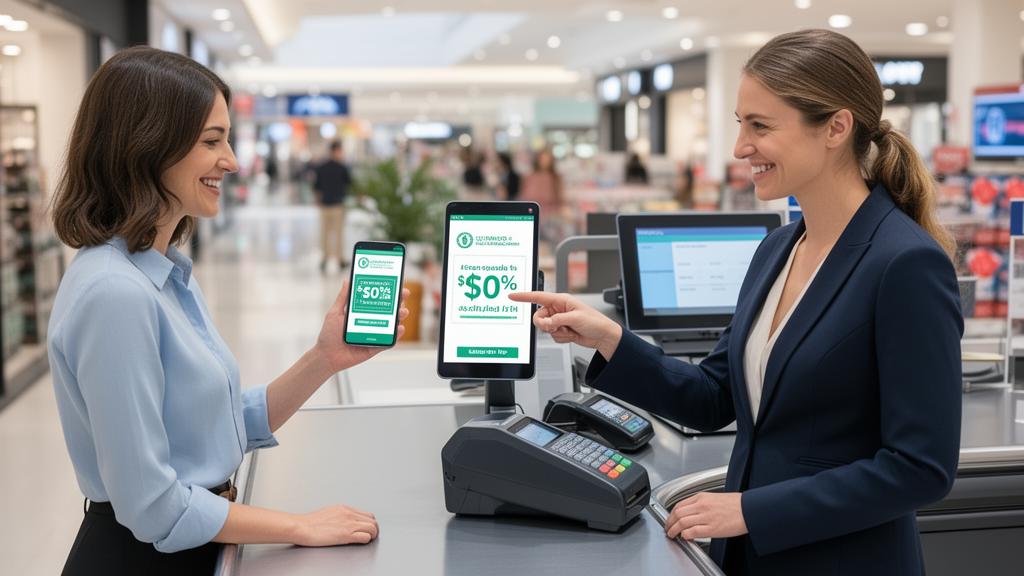
Mobile apps are central to digital engagement, offering features like digital coupons, personalized recommendations, and loyalty rewards. Business Insider reports that mobile loyalty programs can increase customer retention rates by up to 27%.
2. Interactive Digital Signage
Interactive digital signage captures shoppers' attention and provides real-time information, promotions, and interactive experiences. Research indicates that digital signage can boost customer engagement by 30% and sales by 29.5%.
3. Augmented Reality (AR) and Virtual Reality (VR)
AR and VR technologies offer immersive shopping experiences, such as virtual try-ons and interactive store displays. Studies show that AR can increase customer engagement by 40% and improve conversion rates by 20%.
Shopper Insights and Engagement
To effectively engage shoppers, it is crucial to gather and analyze shopper insights and engagement data. This involves understanding shopper behavior, preferences, and feedback.
1. Data Analytics and Personalization
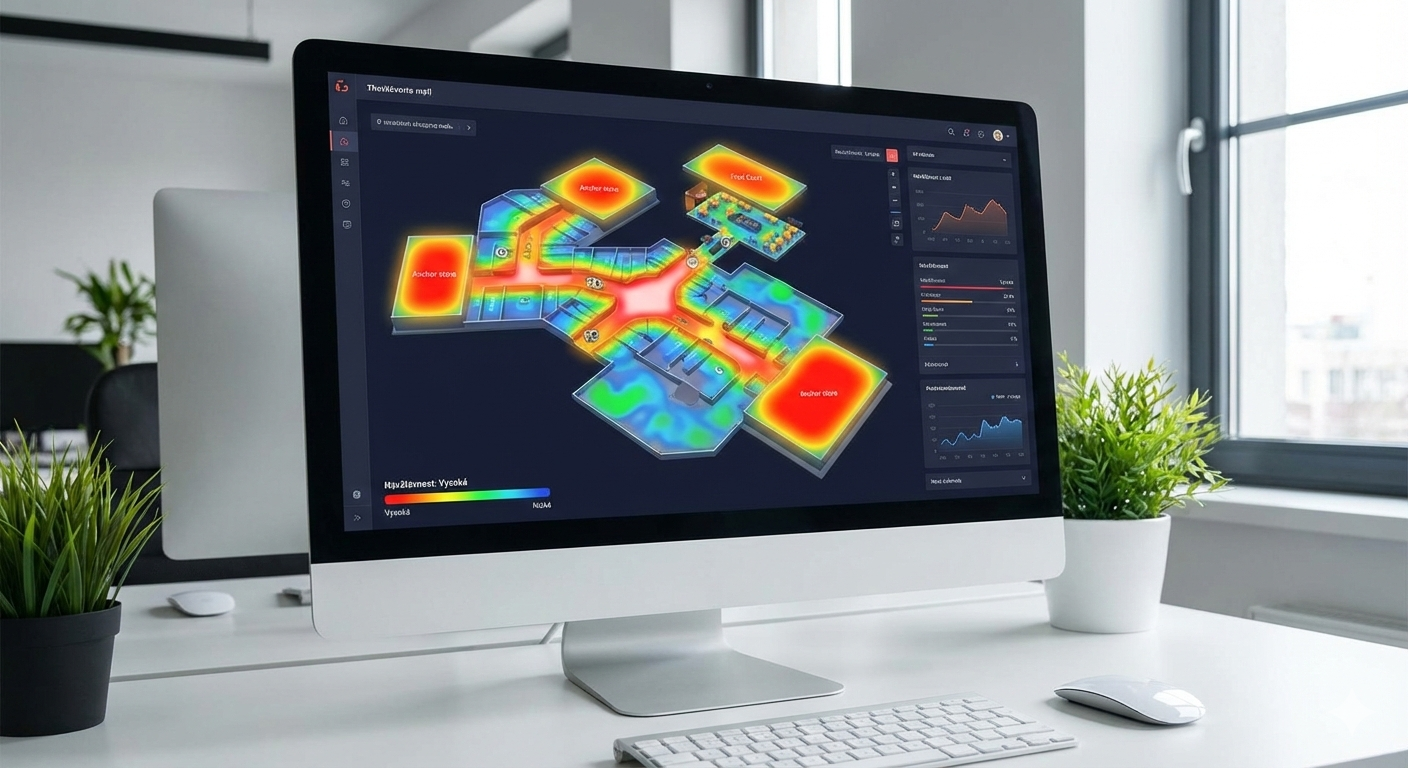
Utilizing data analytics allows malls to offer personalized experiences based on shopper behavior. McKinsey & Company found that personalization can increase marketing ROI by 20% and boost sales by 10%.
2. Customer Feedback Systems
Implementing feedback systems, such as surveys and review platforms, helps gather valuable insights directly from shoppers. According to Qualtrics, businesses that act on customer feedback see an 11% increase in revenue and a 14% decrease in churn.
Effective Shopper Engagement Tactics
Developing effective shopper engagement tactics involves a combination of technology, personalization, and interactive experiences.
1. Gamification
Gamification techniques, such as reward-based challenges and interactive games, can significantly enhance shopper engagement. A study by eMarketer found that gamification can increase engagement rates by 50% and customer loyalty by 30%.
2. Omnichannel Strategies
Integrating online and offline channels provides a seamless shopping experience. Salesforce reports that omnichannel customers spend 4 times more than single-channel shoppers.
3. Experiential Marketing
Creating unique, memorable experiences, such as pop-up shops and interactive displays, enhances shopper engagement. EventTrack found that 74% of consumers are more likely to purchase products after engaging in experiential marketing activities.
Measuring Shopper Engagement
Measuring the effectiveness of shopper engagement tactics is essential for continuous improvement.
1. Key Performance Indicators (KPIs)
Track KPIs such as foot traffic, dwell time, sales per square foot, and customer satisfaction scores to gauge engagement levels. RetailNext found that increasing dwell time by 1% can lead to a 1.3% increase in sales.
2. Customer Engagement Platforms
Utilize customer engagement platforms to centralize data collection and analysis. These platforms can provide comprehensive insights into shopper behavior and engagement trends.
Enhancing shopper engagement is critical for the success of shopping malls in today's competitive retail environment. By leveraging digital technologies, personalizing experiences, and implementing effective engagement tactics, mall managers can create a vibrant and engaging shopping environment that drives foot traffic and boosts sales. The future of retail lies in understanding and connecting with shoppers on a deeper level, and these strategies provide a roadmap for achieving that goal.