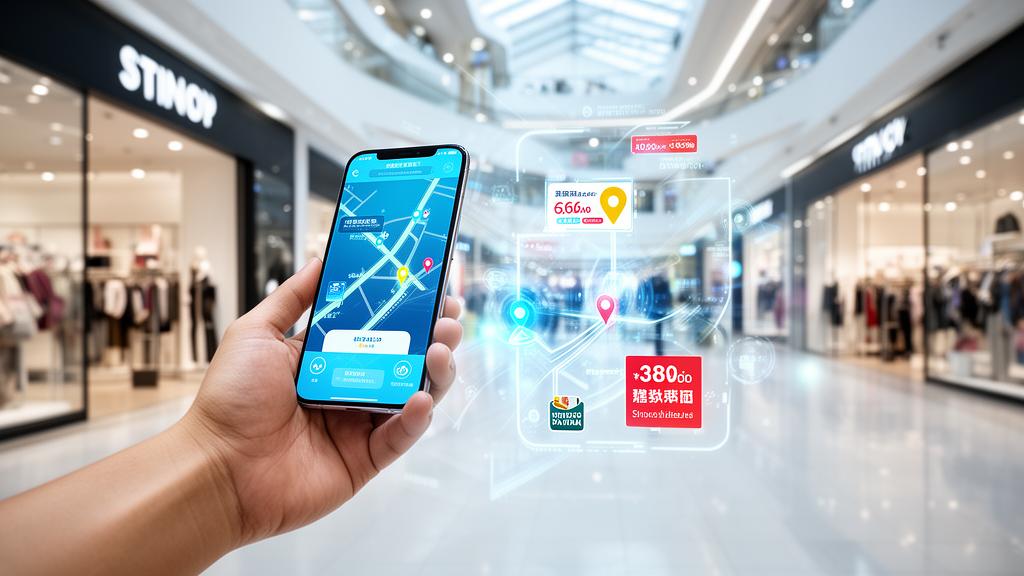
Shopping centers have spent the last decade adding digital tools.
A website. A mobile app. A loyalty program. Digital signage. Parking systems. Campaign tools. Tenant directories. Survey platforms. Dashboards. Sometimes even several different analytics tools.
On paper, this looks like digital transformation.
In reality, many mall teams still work with fragmented information. Marketing does not see the full customer journey. Leasing does not have enough tenant performance context. Operations data is disconnected from visitor experience. Management still waits for manual reports before making decisions.
The problem is no longer a lack of digital tools. The problem is that these tools do not work together.
That is why shopping centers need a customer data layer — not just another app.
A connected customer data layer helps malls understand how visitors engage across channels, how campaigns perform, how loyalty activity connects to tenant outcomes, and how operational decisions affect the overall shopping center experience.
For modern retail destinations, this becomes the foundation for better marketing, stronger tenant support, smarter analytics and more useful AI.
The problem is not a lack of digital tools
Most shopping centers already have more software than they think. A typical mall may use one system for the website, another for the mobile app, another for loyalty, another for email campaigns, another for digital screens, another for parking, and spreadsheets for tenant information.
Each tool may work well on its own. But when they are disconnected, the mall still lacks one clear view of what is happening. Common examples include:
- website content managed separately from app content
- loyalty activity disconnected from tenant promotions
- parking data separated from visitor behavior
- campaign performance exported manually from different channels
- tenant information maintained in spreadsheets
- event registrations not connected to customer profiles
- digital signage campaigns not connected to loyalty or app engagement
- operations and incidents managed away from customer experience data
This creates a strange situation: the mall has more digital tools, but not necessarily more clarity. Teams still need to ask basic questions manually — which campaigns actually brought people back, which tenants benefit from loyalty promotions, which visitor segments respond to which offers, which events drive engagement beyond attendance, which digital channels are working together, and what is happening across the property right now.
Without a connected data layer, every team ends up with a partial answer.
What is a customer data layer for shopping centers?
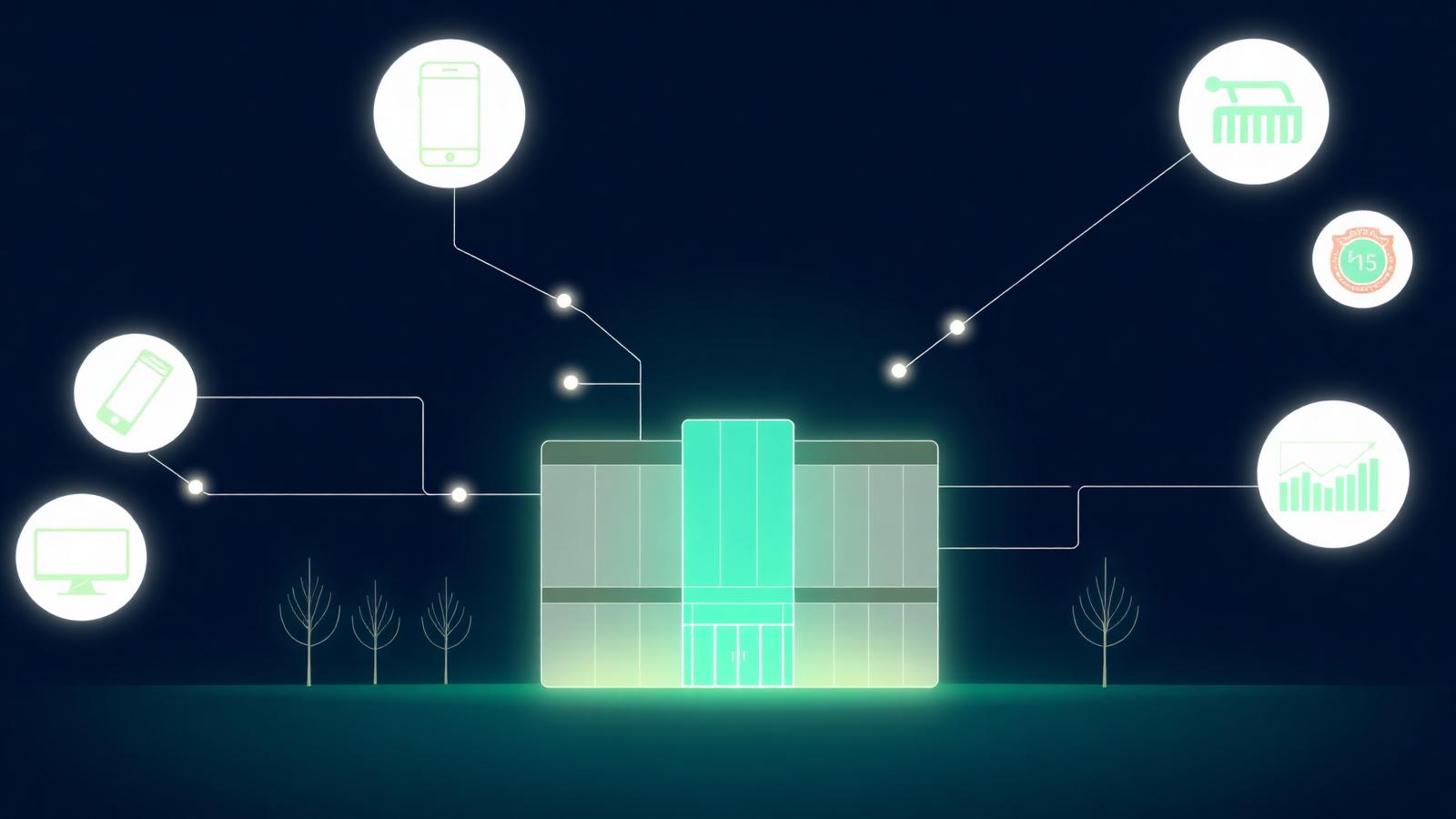
A customer data layer is the structure that connects customer, tenant, campaign, loyalty, location and operational data into one usable view. It is not just a CRM. It is not just analytics. It is not just a mobile app database.
For a shopping center, a customer data layer connects information such as:
- visitor profiles and consent
- loyalty membership and rewards
- app behavior
- website engagement
- campaign interactions
- event registrations
- tenant and store data
- parking behavior
- receipt uploads
- digital signage campaigns
- surveys and feedback
- maps and wayfinding interactions
- operational workflows and service quality indicators
The goal is not to collect data for the sake of data. The goal is to make the mall easier to manage. When customer data is connected to tenant data, campaigns become more measurable. When campaign data is connected to loyalty, offers become more relevant. When digital channels are connected to analytics, management can make decisions faster.
A customer data layer turns separate digital signals into business context.
Ready to transform your property?
See how Mallsio can help you achieve better engagement, streamlined operations, and unified digital experiences.
Schedule a DemoWhy apps alone are not enough
A mall app can be valuable. It can support loyalty, rewards, offers, events, navigation, parking information and direct communication with visitors. But an app alone does not solve the bigger problem.
If the app is disconnected from the website, tenant directory, digital signage, parking, campaigns and analytics, it becomes another isolated channel. The mall may get downloads, but still struggle to answer which app users are actually returning to the center, which rewards are connected to tenant performance, which visitor segments engage with specific categories, which campaigns work better on app, website, email, push or screens, which tenants should be promoted to which audience, and how digital engagement connects to physical behavior.
This is why many mall apps underperform. The issue is not always the app itself. The issue is that the app is treated as a standalone product rather than part of a wider mall customer engagement platform.
A modern mall app should be one touchpoint inside a connected system. It should feed and use the same customer data layer as loyalty, campaigns, tenant promotions, parking, digital signage and analytics. Only then can the mall move from "we have an app" to "we understand our visitors better".
What data should a modern mall connect?
A useful customer data layer does not need to start with everything. But over time, the most valuable shopping centers connect data across the full visitor and tenant journey.
Visitor profiles and consent
The foundation is a clear, consent-aware customer profile. This may include loyalty membership, communication preferences, app activity, interests, visit behavior and campaign engagement. This allows the mall to communicate more responsibly and more relevantly.
Loyalty points, rewards and vouchers
Loyalty data shows what customers respond to. Points, vouchers, rewards and redemptions help the mall understand engagement beyond simple traffic numbers. When connected to tenant promotions, loyalty becomes a business tool, not just a points system.
App and website behavior
Visitors interact with the mall through multiple digital channels. They may browse stores on the website, check events in the app, open a voucher, search for parking information or use a map. Connecting these signals helps the mall understand intent.
Tenant and store data
Tenant data is often underestimated. Store categories, opening hours, unit locations, promotions, contacts and campaign participation all influence the customer experience. When tenant data is structured, it becomes easier to run campaigns, update content and support leasing decisions.
Parking and mobility
Parking is often one of the first and last parts of the visitor journey. Parking capacity, zones, tariffs and usage patterns can provide valuable context when connected with campaigns, events and visitor behavior.
Digital signage and kiosks
Screens and kiosks should not be managed as isolated display systems. They are part of the customer journey. When digital signage connects to campaigns, loyalty, events and tenant promotions, it becomes a measurable communication channel.
Receipts and purchase signals
Receipt uploads and purchase validation can help connect marketing activity to tenant outcomes. Even partial purchase data can improve campaign measurement and loyalty strategy.
Surveys and feedback
Customer feedback becomes more useful when connected to profiles, events, campaigns or operational context. A complaint about parking, a survey after an event, or feedback on store mix can all become part of a wider decision-making layer.
Campaign performance
Campaigns should not be measured only by impressions or clicks. A mall needs to understand how campaigns affect engagement, loyalty activity, tenant promotions and return visits.
Operations and service quality
Operations may seem separate from customer data, but they are closely connected to the visitor experience. Cleanliness, maintenance, incidents, navigation issues and service quality all affect how people perceive the center.
How a connected data layer improves marketing
Mall marketing is often more complex than it looks. A marketing team is not only promoting the shopping center. It is also supporting tenants, events, campaigns, seasonal activations, loyalty, footfall, brand positioning and customer communication across many channels.
Without connected data, marketing becomes reactive. Teams publish content, send campaigns and update screens, but reporting is slow and fragmented. A connected customer data layer helps marketing teams:
- build more accurate audience segments
- send more relevant offers
- automate campaign journeys
- connect loyalty with tenant promotions
- follow up after events
- compare channel performance
- reduce manual reporting
- understand which content drives engagement
For example, a mall can create a campaign for families visiting during the weekend, connect it to relevant tenants, promote it through the app and website, support it on digital screens, and measure engagement through loyalty activity. This is mall marketing automation with context — not generic email automation, not isolated push notifications, but campaigns connected to the reality of the shopping center.
How it helps tenants
Tenants are one of the most important parts of the mall ecosystem, but many shopping centers still struggle to give them measurable digital support. A connected customer data layer can help tenants in several ways.
First, it makes promotions easier to plan. The mall can connect tenant campaigns with the right audiences, categories, events and digital channels.
Second, it makes performance more transparent. Instead of telling tenants that a campaign "ran on the website and app", the mall can show engagement, voucher activity, clicks, redemptions or other relevant signals.
Third, it helps the mall support different tenant types differently. A fashion store, restaurant, cinema, grocery anchor and service provider do not need the same campaign logic.
Fourth, it gives leasing and asset management teams better context. Tenant performance is not only about rent and sales. It is also about visibility, engagement, category mix, visitor interest and campaign participation.
This does not mean every mall needs perfect sales data from every tenant. Even structured campaign and engagement data can help the mall become a stronger partner to its tenants.
How it helps management
Management teams need a clear view of the shopping center. But in many malls, the most important information is spread across different departments and tools. Marketing has campaign data. Operations has incident data. Leasing has tenant context. Digital teams have app and website data. Parking has separate reports. Management receives summaries later.
A customer data layer helps bring these signals together. For mall managers and owners, this can support:
- faster reporting
- better campaign ROI visibility
- clearer visitor engagement trends
- better understanding of tenant participation
- more informed leasing and marketing decisions
- stronger alignment between teams
- earlier detection of issues or opportunities
The value is not only in dashboards. The real value is that everyone works from the same version of reality. When management can see campaigns, loyalty, tenants, operations and visitor touchpoints in one connected platform, decisions become faster and less dependent on manual reporting.
Where AI becomes useful
Many shopping centers are interested in AI. But AI is only useful when it has the right data and context. Without a connected data layer, AI often becomes a generic chatbot, a content generator or a dashboard assistant with limited value.
With a connected data layer, AI can become much more practical. It can help:
- recommend campaign audiences
- detect unusual changes in engagement
- summarize tenant or campaign performance
- identify underused channels
- suggest content improvements
- prioritize operational issues
- support management reporting
- connect customer behavior with business outcomes
The key is context. AI needs to understand what a tenant is, where a store is located, which campaign ran, which audience received it, what channel was used, and what happened afterwards. That is why the data layer matters.
For shopping centers, the future of AI is not a standalone AI feature. It is AI connected to the real operating model of the mall — see how our Analytics module structures this in practice.
How to start without replacing everything
A customer data layer does not require a shopping center to replace every existing system at once. In fact, the best approach is usually gradual.
- Map current systems — website, app, loyalty, parking, digital signage, tenant database, campaign tools, analytics and operations workflows. The first step is clarity.
- Identify the most important data — focus first on customer profiles, loyalty activity, tenant data, campaigns and key digital channels. These usually create the fastest business impact.
- Connect loyalty and app activity — loyalty and app data often provide the clearest customer engagement signals. Connecting them helps the mall move from basic communication to more relevant journeys.
- Connect campaigns and content — campaigns should connect across website, app, email, push, digital signage and tenant promotions where possible. This creates a more complete view of performance.
- Add analytics and reporting — once the key data is connected, reporting becomes much more useful. Instead of manual exports, teams can work with live dashboards and shared performance views.
- Automate selected workflows — start with practical automation: campaign follow-ups, tenant updates, reward journeys, event communication, reporting summaries or operations tasks.
- Expand across the property — once the foundation works, the mall can connect more use cases: parking, maps, digital screens, operations, leasing and AI-assisted workflows.
The goal is not to create a long IT project. The goal is to build a practical operating layer that improves how the shopping center works every day. See how the Mallsio Platform brings these layers together, or read How Mallsio Works for a step-by-step overview.
What Mallsio does
Mallsio helps shopping centers connect digital channels, customer engagement, tenant data, operations and analytics into one platform. It is built specifically for malls, retail destinations and mixed-use commercial properties. Mallsio can support:
- mall website and content management
- mobile app and loyalty (see Mobile App & Loyalty)
- rewards, vouchers and customer segments powered by our Loyalty Engine
- tenant and store directory
- campaigns and marketing automation
- digital signage and interactive screens
- parking information
- maps and wayfinding
- operations tasks and incidents
- analytics and management reporting
- AI-assisted workflows
The platform is designed to work as a connected operating layer for the shopping center. That means teams do not need to manage every channel in isolation. Marketing, operations, leasing, management and tenant-facing teams can work with connected data and shared workflows.
For malls that already have existing systems, Mallsio can help connect and organize them. For malls starting from a more fragmented setup, Mallsio can provide the foundation for a more modern digital infrastructure.
The future is not more disconnected tools
The next stage of shopping center digitalization is not about adding more software for the sake of it. It is about connecting the right systems, data and teams.
A mobile app is useful. A loyalty program is useful. Digital signage is useful. Analytics are useful. But their value increases when they work together.
A customer data layer gives shopping centers the foundation to understand visitors, support tenants, improve campaigns, automate workflows and make better decisions.
For mall teams, this means less manual work and more clarity. For tenants, it means better support and more measurable campaigns. For management, it means a stronger view of the entire property. And for visitors, it means a more relevant, connected and useful shopping center experience.
FAQ
What is a customer data layer for shopping centers?
A customer data layer connects visitor profiles, loyalty activity, campaigns, tenant data, parking, digital signage, app behavior, website interactions and analytics into one usable structure. It helps shopping centers understand customer engagement across channels and turn fragmented data into better decisions.
Is a customer data layer the same as a CRM?
No. A CRM usually stores customer profiles and communication history. A customer data layer is broader. For shopping centers, it connects customer data with tenants, campaigns, loyalty, parking, digital channels, operations and analytics.
Do shopping centers still need a mobile app?
Yes, a mobile app can still be valuable. But it should not work in isolation. The app should be connected to loyalty, campaigns, tenant promotions, maps, parking, website content and analytics so it becomes part of a wider customer engagement platform.
How does connected mall data help tenants?
Connected data helps tenants by making campaigns more measurable and more relevant. Shopping centers can better target promotions, understand engagement, support tenant offers and provide clearer performance reporting.
Can Mallsio connect existing systems?
Yes. Mallsio is designed to work as a connected operating layer for shopping centers. Depending on the project scope, it can connect existing websites, apps, loyalty systems, tenant data, digital signage, parking, maps, operations workflows and analytics.
How does AI use mall customer data?
AI becomes more useful when customer, tenant, campaign and operational data are connected. With the right data layer, AI can support campaign planning, audience recommendations, anomaly detection, reporting, workflow automation and management insights.